Sealing and Protecting Painted Metal Surfaces
 by michael daigle
Summary
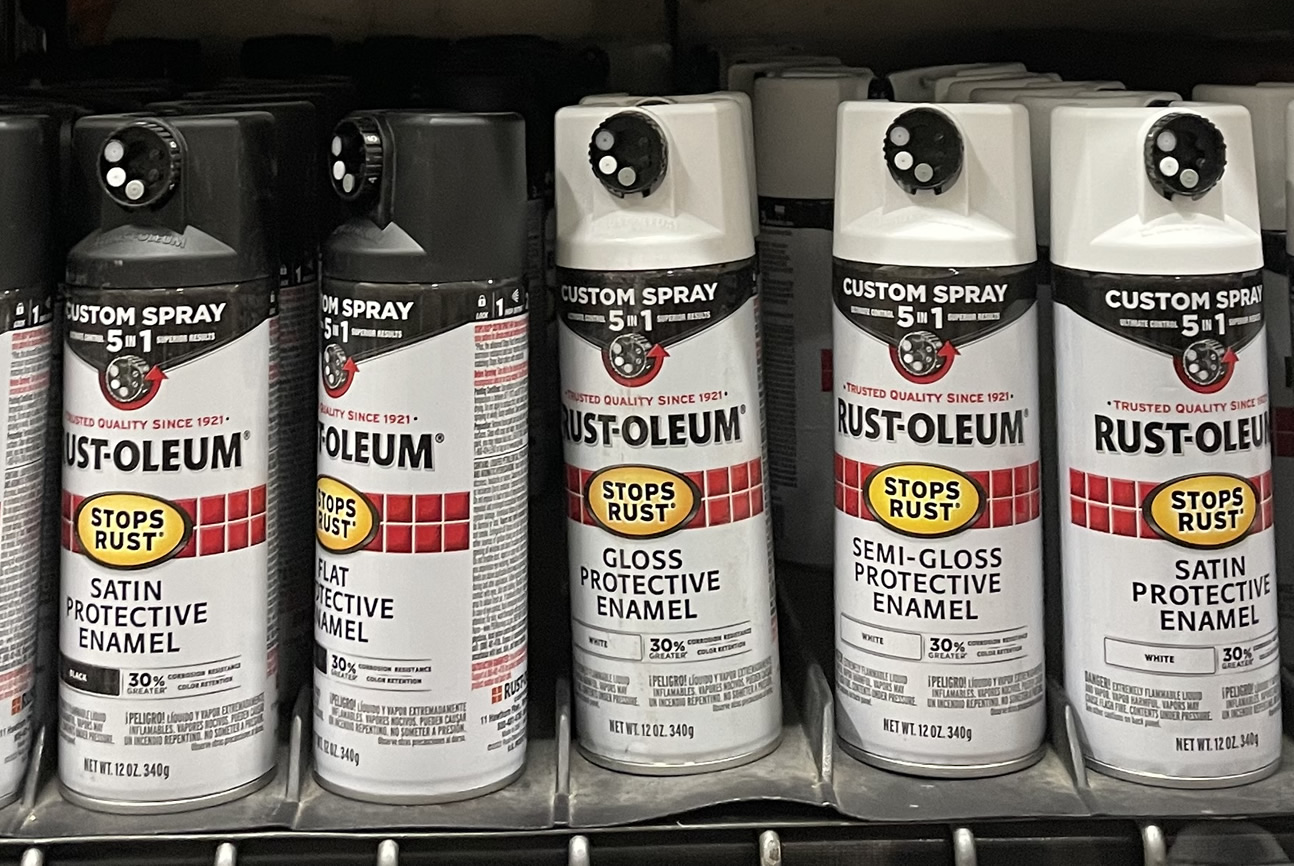
Sealing painted metal surfaces represents the final critical step that determines whether your paint job lasts two years or twenty. Without proper sealing, even the highest-quality paint remains vulnerable to moisture penetration, UV degradation, and oxidation that gradually destroys your finish. Professional painters understand that the sealer isn't optional—it's the protective barrier that locks in your work and multiplies the lifespan of painted metal by three to five times.
Whether you've painted outdoor furniture, metal railings, automotive parts, or decorative metalwork, the right clear coat transforms a good paint job into a durable, weather-resistant finish. This guide walks you through every aspect of sealing painted metal surfaces, from selecting the appropriate sealer type to applying it correctly and maintaining that protection over time. You'll discover which products work best for specific environments, when to apply them for optimal bonding, and how to avoid the common mistakes that compromise protection.
The confusion surrounding clear coats and sealers costs homeowners thousands in premature repainting. Many assume that outdoor paint is inherently weatherproof, or that spray paint doesn't need additional protection. These misconceptions lead to peeling, fading, and rust breakthrough within months. By understanding the science behind sealing and following proven application techniques, you'll achieve professional-grade results that withstand harsh conditions and maintain their appearance for years.
Key Takeaways
- Unsealed painted metal loses 60-80% of its weather resistance and typically requires repainting within 18-24 months
- Apply clear coat when paint is fully cured (24-72 hours for most paints) but within 7 days for optimal chemical bonding
- Polyurethane sealers provide superior durability and UV protection for outdoor metal, while acrylic sealers work best for indoor applications
- Maintain 10-12 inches spray distance and apply 2-3 thin coats rather than one heavy coat to prevent runs and cloudiness
- Outdoor sealed metal requires inspection every 6 months and resealing every 2-3 years depending on exposure severity
- Temperature during application must stay between 50-85°F with humidity below 65% for proper curing and adhesion
Why Seal Painted Metal Surfaces
Sealing painted metal surfaces extends finish lifespan by 300-500% by creating an impermeable barrier that blocks moisture, oxygen, and UV radiation from reaching the paint and metal substrate. Without proper sealing, microscopic pores in paint allow environmental elements to penetrate and initiate oxidation, causing bubbling, peeling, and rust breakthrough within 12-18 months. A quality sealer adds scratch resistance, chemical protection, and UV filtering that unsealed paint cannot provide.
Understanding why sealing is essential helps you appreciate the investment in this final protective step. Painted metal faces constant attack from environmental elements, and without proper sealing, even premium paint jobs fail prematurely. The sealer acts as a sacrificial barrier that absorbs damage while protecting the paint and metal beneath, extending the life of your finish by several years.
Microscopic Vulnerabilities in Paint
Paint alone provides color and basic corrosion resistance, but it remains porous at the microscopic level. These tiny openings allow moisture, oxygen, and UV radiation to penetrate the paint film and reach the metal substrate. Over time, this exposure initiates oxidation beneath the paint layer, causing bubbling, peeling, and rust breakthrough that ruins the finish. A proper sealer creates an impermeable barrier that blocks these destructive elements while adding scratch resistance and chemical protection.
Protective Benefits Beyond Weatherproofing
The protective benefits of sealing extend far beyond simple weatherproofing. Clear coats increase surface hardness by 40-60%, making painted metal more resistant to impacts, abrasion, and handling damage. They also enhance color retention by filtering UV radiation that causes fading and chalking. For outdoor applications, unsealed paint typically shows visible degradation within 12-18 months, while properly sealed surfaces maintain their appearance for 5-7 years or longer. This dramatic difference in longevity makes sealing one of the most cost-effective steps in metal painting.
| Protection Factor | Unsealed Paint | Sealed Paint | Improvement |
|---|---|---|---|
| UV Resistance | 6-12 months | 5-7 years | 500-700% |
| Moisture Barrier | Moderate | Excellent | 80-95% reduction |
| Scratch Resistance | 2-3H hardness | 4-6H hardness | 100% increase |
| Chemical Resistance | Poor | Good to Excellent | 300-400% |
| Color Retention | 12-18 months | 4-6 years | 300-400% |
| Maintenance Frequency | Every 1-2 years | Every 3-5 years | 150-250% |
Application-Specific Protection Requirements
Different metal applications require varying levels of protection. Outdoor railings face constant UV exposure, temperature fluctuations, and moisture from rain or dew. Automotive parts endure road chemicals, fuel exposure, and mechanical stress. Indoor decorative pieces need protection from handling and cleaning products. Understanding your specific protection needs helps you select the appropriate sealer type and application method. The investment in proper sealing typically costs 15-20% of the total paint job but extends the finish lifespan by 300-500%, making it one of the highest-return steps in metal finishing.
💡 Pro Tip
Calculate your sealing cost-benefit by comparing the price of sealer and application time against the cost of complete repainting. Most homeowners find that sealing adds $25-50 to a project but prevents $200-400 in repainting costs within 2-3 years. For larger projects like fencing or outdoor furniture, the savings multiply significantly.
Types of Clear Coats for Metal
The best clear coats for painted metal include polyurethane for outdoor durability, acrylic for quick indoor projects, epoxy for chemical resistance, and marine varnish for extreme weather exposure. Each sealer type offers distinct advantages based on environmental conditions and application requirements. Polyurethane dominates outdoor applications with exceptional UV resistance and flexibility, while acrylic excels in indoor settings with fast drying times and easy cleanup.
Selecting the right clear coat for your painted metal project requires understanding the distinct characteristics of each sealer type. The market offers numerous options, each formulated for specific applications and environmental conditions. Making an informed choice based on your metal's exposure level, desired durability, and application method ensures optimal protection and longevity.
Polyurethane Sealers for Outdoor Durability
Clear coat selection depends on your metal type, environmental exposure, and desired finish characteristics. The five main categories—polyurethane, acrylic, epoxy, lacquer, and specialty coatings—each offer distinct advantages for specific applications. Polyurethane sealers dominate outdoor applications due to their exceptional UV resistance and flexibility that accommodates thermal expansion. Acrylic clear coats excel in indoor settings where ease of application and quick drying matter more than maximum durability. Epoxy-based sealers provide the ultimate chemical resistance for industrial or automotive applications.
Oil-based polyurethane clear coats cure through oxidation, forming an extremely durable cross-linked polymer network. This chemical structure provides outstanding resistance to moisture, solvents, and abrasion. However, oil-based formulas require 24-48 hours between coats and emit strong fumes during application. Water-based polyurethane offers easier cleanup and lower odor while maintaining good durability, though it typically provides 70-80% of the protection level of oil-based versions. For outdoor metal furniture, railings, and architectural elements, oil-based polyurethane remains the professional standard.
| Sealer Type | Best Applications | Durability Rating | Drying Time | Cost per Quart |
|---|---|---|---|---|
| Oil-Based Polyurethane | Outdoor furniture, railings, gates | 9/10 | 4-6 hours (recoat 24hrs) | $18-28 |
| Water-Based Polyurethane | Indoor metal, decorative items | 7/10 | 1-2 hours (recoat 4hrs) | $22-35 |
| Acrylic Clear Coat | Spray paint projects, crafts | 6/10 | 15-30 minutes (recoat 1hr) | $8-15 per can |
| Two-Part Epoxy | Industrial equipment, chemical exposure | 10/10 | 2-4 hours (recoat 8hrs) | $35-55 |
| Automotive Lacquer | Car parts, high-gloss finishes | 8/10 | 20-40 minutes (recoat 1hr) | $25-40 |
| Marine Varnish | Extreme weather exposure | 9/10 | 4-8 hours (recoat 24hrs) | $30-50 |
Acrylic Clear Coats for Quick Projects
Acrylic clear coats work well for spray paint projects and indoor applications where you need quick results. These water-based sealers dry rapidly, allowing you to complete projects in a single day. They provide adequate protection for items that won't face harsh weather or heavy use. However, acrylic sealers tend to yellow slightly over time when exposed to UV light, making them less suitable for outdoor white or light-colored paints. For craft projects, decorative pieces, and indoor metal fixtures, acrylic clear coats offer an excellent balance of protection and convenience.
Specialty Sealers for Extreme Conditions
Specialty sealers address specific challenges. Marine varnishes contain extra UV absorbers and fungicides for extreme outdoor exposure. Ceramic-infused clear coats add heat resistance up to 500°F for exhaust components or fireplace tools. High-solids polyurethane formulas provide thicker protection with fewer coats. When selecting a sealer, match the product's design specifications to your actual use conditions. A $12 acrylic spray can works perfectly for an indoor decorative piece but fails quickly on outdoor railings, while a $45 marine varnish provides unnecessary protection for items kept under a porch roof.
✓ Recommended Products
- Rust-Oleum Universal Clear Coat - Versatile acrylic sealer for general indoor/outdoor use, dries in 20 minutes, excellent for spray paint projects ($10-14 per can)
- Minwax Helmsman Spar Urethane - Oil-based formula with superior UV protection, ideal for outdoor furniture and railings, available in gloss, semi-gloss, and satin ($22-28 per quart)
- System Three Clear Coat - Two-part epoxy for maximum chemical and abrasion resistance, perfect for industrial applications or high-wear items ($45-55 per quart kit)
Polyurethane vs. Acrylic Sealers
Polyurethane sealers provide superior outdoor durability lasting 5-7 years with excellent UV resistance and flexibility, while acrylic sealers offer faster drying times and easier application but only last 2-3 years outdoors. The choice depends on your application environment—use polyurethane for harsh outdoor exposure and acrylic for indoor projects or quick-turnaround work. Polyurethane costs 20-40% more but extends finish life by 150-250% compared to acrylic alternatives.
Choosing between polyurethane and acrylic sealers represents one of the most important decisions in your metal sealing project. These two sealer families differ significantly in performance, application characteristics, and cost. Understanding their strengths and limitations helps you select the right product for your specific situation, ensuring you get adequate protection without overspending on unnecessary performance.
Chemical Composition and Curing Differences
The choice between polyurethane and acrylic sealers represents the most common decision point for metal sealing projects. These two sealer families differ fundamentally in their chemical composition, curing mechanisms, and performance characteristics. Polyurethane forms through a chemical reaction between polyol resins and isocyanate compounds, creating a tough, cross-linked polymer network. Acrylic sealers consist of acrylic polymers suspended in water or solvent that simply dry and coalesce into a protective film. This structural difference explains why polyurethane outperforms acrylic in durability tests but requires more careful application.
Polyurethane Advantages for Harsh Exposure
Polyurethane sealers excel in outdoor applications due to their superior flexibility and UV resistance. The polymer chains in cured polyurethane can stretch and compress with temperature changes without cracking, making them ideal for metal that expands and contracts with weather. They also contain UV absorbers that prevent the yellowing and degradation common in lesser sealers. Oil-based polyurethane provides the best protection but requires mineral spirits for cleanup and proper ventilation during application. Water-based polyurethane offers easier handling while retaining most protective benefits, though it costs 20-40% more per quart.
| Characteristic | Polyurethane (Oil-Based) | Polyurethane (Water-Based) | Acrylic |
|---|---|---|---|
| Outdoor Durability | ✅ Excellent (5-7 years) | ✅ Very Good (4-5 years) | ⚠️ Fair (2-3 years) |
| UV Resistance | ✅ Superior | ✅ Excellent | ⚠️ Moderate |
| Drying Time | ❌ Slow (24hrs between coats) | ✅ Fast (4hrs between coats) | ✅ Very Fast (1hr between coats) |
| Application Ease | ⚠️ Moderate (technique required) | ✅ Good (forgiving) | ✅ Excellent (beginner-friendly) |
| Odor/Fumes | ❌ Strong (ventilation required) | ✅ Minimal | ✅ Very Low |
| Cleanup | ❌ Mineral spirits needed | ✅ Water cleanup | ✅ Water cleanup |
| Cost per Project | ✅ $15-25 | ⚠️ $20-35 | ✅ $10-18 |
| Yellowing Resistance | ⚠️ Slight amber tint | ✅ Crystal clear | ⚠️ May yellow with UV |
When Acrylic Sealers Make Sense
Acrylic sealers shine in situations where speed and convenience matter most. For small craft projects, touch-ups, or indoor decorative items, acrylic clear coats provide adequate protection without the complexity of polyurethane application. They dry to the touch in 15-30 minutes and can be recoated in one hour, allowing you to complete sealing in a single afternoon. Acrylic sealers also remain crystal clear without the slight amber tint that oil-based polyurethane imparts. This clarity makes them ideal for white, pastel, or metallic finishes where any color shift would be noticeable.
The performance gap between these sealer types becomes most apparent in challenging conditions. Testing data shows polyurethane maintains 85-90% of its protective properties after three years of outdoor exposure, while acrylic sealers drop to 50-60% effectiveness in the same timeframe. For metal railings on a sunny deck, this difference means resealing every 2-3 years with polyurethane versus annual resealing with acrylic. However, for an indoor decorative bowl or wall art, acrylic's quick application and lower cost make it the smarter choice. Match your sealer selection to your actual exposure conditions rather than always choosing the most durable option.
⚠️ Common Mistake
Many DIYers apply acrylic spray sealers over oil-based paints or primers, leading to poor adhesion and eventual peeling. Always match your sealer chemistry to your paint type—use acrylic sealers over acrylic/latex paints and polyurethane over oil-based or enamel paints. When in doubt, water-based polyurethane provides good compatibility with most paint types.
When to Apply Clear Coat
Apply clear coat 24-72 hours after painting metal, when paint has fully cured but within 7 days for optimal chemical bonding. Latex and acrylic paints require 24-48 hours of cure time, while oil-based enamels need 48-72 hours before sealing. Test cure status by pressing your fingernail firmly into an inconspicuous area—fully cured paint resists marking without leaving an impression.
Proper timing of clear coat application is critical for achieving a durable, long-lasting seal on painted metal. Apply too early and you trap solvents that cause defects; wait too long and you miss the optimal bonding window. Understanding the curing process and environmental factors helps you identify the perfect moment to seal your painted metal for maximum adhesion and protection.
Understanding Drying vs. Curing
Timing your clear coat application correctly determines whether it bonds permanently to the paint or creates a separate layer prone to peeling. Paint must reach full cure before sealing, but waiting too long allows surface contamination that weakens adhesion. The ideal sealing window depends on your paint type, environmental conditions, and the sealer you've chosen. Most latex and acrylic paints cure sufficiently for sealing within 24-48 hours, while oil-based enamels require 48-72 hours. However, these timeframes assume temperatures between 65-75°F and moderate humidity—colder or damper conditions extend curing times significantly.
Understanding the difference between drying and curing prevents premature sealing mistakes. Paint feels dry to the touch within hours as solvents evaporate, but complete curing—the chemical process that creates the final hard film—takes much longer. Applying clear coat over paint that's dry but not cured traps solvents beneath the sealer, causing bubbling, wrinkling, or a permanently soft finish. Test cure status by pressing your fingernail firmly into an inconspicuous area. If it leaves an impression, the paint needs more curing time. Fully cured paint resists this pressure without marking.
| Paint Type | Touch Dry | Recoat Time | Minimum Cure for Sealing | Optimal Sealing Window |
|---|---|---|---|---|
| Latex/Acrylic | 1-2 hours | 4 hours | 24-48 hours | 2-7 days |
| Oil-Based Enamel | 4-6 hours | 24 hours | 48-72 hours | 3-7 days |
| Spray Paint (Acrylic) | 15-30 minutes | 1 hour | 24 hours | 1-5 days |
| Spray Paint (Enamel) | 30-60 minutes | 2 hours | 48 hours | 2-7 days |
| Epoxy Paint | 2-4 hours | 8 hours | 72 hours | 3-10 days |
| Automotive Paint | 30-60 minutes | 1-2 hours | 24-48 hours | 2-7 days |
Environmental Factors Affecting Cure Time
Environmental conditions dramatically affect curing rates and sealing success. Temperature below 50°F slows curing by 50-70%, while humidity above 70% extends drying times and can cause moisture to become trapped under the sealer. The ideal sealing conditions mirror good painting weather: 60-80°F temperatures, 40-60% humidity, and no rain in the forecast for 24 hours after sealing. If you painted during less-than-ideal conditions, add 24-48 hours to the standard curing time before sealing. Cold-weather painting projects may require 5-7 days of cure time instead of the typical 2-3 days.
The Optimal Sealing Window
The optimal sealing window closes after about seven days for most paints. Beyond this timeframe, the paint surface oxidizes and accumulates microscopic contamination that reduces sealer adhesion. If you must wait longer than a week, lightly scuff the surface with 400-grit sandpaper and clean with denatured alcohol before applying clear coat. This process removes oxidation and creates a slightly roughened surface for better mechanical bonding. For best results, plan your project schedule to allow sealing within 2-7 days of painting, when the paint has fully cured but the surface remains chemically receptive to bonding.
💡 Pro Tip
Create a project timeline that accounts for weather delays. Paint on a Monday, allowing Tuesday through Wednesday for curing, then seal on Thursday or Friday. This schedule provides buffer days if conditions aren't ideal while keeping you within the optimal sealing window. Mark your calendar with the earliest and latest sealing dates to avoid missing the window.
How to Apply Sealer to Painted Metal
To apply sealer to painted metal successfully, follow these steps:
- Clean the cured paint surface with tack cloth to remove all dust and particles
- Ensure temperature is 50-85°F with humidity below 65% for proper curing
- Hold spray can 10-12 inches away or load brush moderately for even application
- Apply first thin coat using overlapping passes with 50% overlap for spray method
- Allow proper drying time between coats (1-4 hours for fast-dry, 24 hours for oil-based)
- Apply 2-3 additional thin coats, building protection gradually without runs or sags
- Sand lightly with 320-400 grit between coats if exceeding recoat window
- Allow final coat to cure fully (24-72 hours) before use or exposure
Mastering sealer application technique separates professional-quality results from amateur finishes. The application method you choose—spray, brush, or roller—affects both the appearance and durability of the sealed surface. Each method has specific techniques that ensure even coverage, proper film thickness, and a smooth final finish. Following proven application procedures prevents common problems like runs, sags, and uneven protection.
Surface Preparation Before Sealing
Proper sealer application requires the same attention to technique as painting itself. The goal is to build multiple thin coats that cure into a single protective layer rather than applying one thick coat that runs, sags, or remains soft. Whether brushing, rolling, or spraying, maintaining consistent coverage and proper film thickness determines the quality and durability of your sealed finish. Professional results come from patience and technique rather than expensive equipment—a $15 brush and proper method outperforms a $300 spray gun used incorrectly.
Surface preparation before sealing makes the difference between a finish that lasts years and one that peels within months. Even though you're sealing over fresh paint, dust, pollen, or oils from handling can accumulate on the surface. Wipe the entire surface with a tack cloth or microfiber cloth dampened with water (for water-based sealers) or mineral spirits (for oil-based sealers). This removes particles that would create bumps or weak spots in the sealer. For outdoor metal that's been exposed between painting and sealing, wash with mild detergent, rinse thoroughly, and allow to dry completely before sealing.
| Application Method | Best For | Technique | Coats Needed | Coverage Rate |
|---|---|---|---|---|
| Spray (Aerosol) | Small items, detailed work, quick projects | Hold 10-12 inches away, 50% overlap, constant motion | 3-4 thin coats | 15-20 sq ft per can |
| Spray (HVLP Gun) | Large flat surfaces, furniture, railings | 6-8 inch fan width, 8-10 inch distance, 50% overlap | 2-3 medium coats | 150-200 sq ft per quart |
| Brush | Detailed areas, touch-ups, small projects | Natural bristle for oil-based, synthetic for water-based, long smooth strokes | 2-3 coats | 125-150 sq ft per quart |
| Foam Roller | Flat panels, smooth surfaces, fast coverage | High-density foam, light pressure, maintain wet edge | 2-3 coats | 100-125 sq ft per quart |
Spray Application Techniques
Spray application provides the smoothest finish but requires the most technique. Hold aerosol cans 10-12 inches from the surface and maintain constant motion in overlapping horizontal passes. Each pass should overlap the previous by 50% to ensure even coverage. Apply light coats that appear slightly translucent when wet—they'll dry clear and build to full protection over multiple applications. Heavy coats that look perfect when wet will develop runs, sags, or a cloudy appearance as they cure. For HVLP spray guns, thin the sealer according to manufacturer specifications (typically 10-20% for water-based, 5-10% for oil-based) and practice your technique on cardboard before spraying your project.
Brush and Roller Application Methods
Brush application works well for smaller projects and detailed areas that spray can't reach effectively. Use a high-quality natural bristle brush for oil-based polyurethane or a synthetic brush for water-based products. Load the brush moderately—about one-third up the bristles—and apply in long, smooth strokes following the metal's shape or grain direction. Work quickly to maintain a wet edge, as polyurethane begins setting up within minutes. Avoid over-brushing, which creates bubbles and brush marks. For the final coat, use lighter pressure and minimal brush strokes to achieve the smoothest possible finish.
🚨 Safety First
Always apply sealers in well-ventilated areas, preferably outdoors or in a garage with doors open. Oil-based polyurethane releases volatile organic compounds (VOCs) that can cause dizziness, headaches, or respiratory irritation. Wear a respirator rated for organic vapors (not just a dust mask) when spraying any sealer type. Keep sealers away from heat sources and open flames—the solvents are highly flammable until fully cured.
The time between coats affects both appearance and durability. Apply subsequent coats within the recoat window specified on the product label—typically 1-4 hours for fast-drying sealers or 24 hours for oil-based polyurethane. Coating within this window allows the new layer to chemically bond with the previous coat, creating a single unified film. If you wait beyond the recoat window, you must lightly sand with 320-400 grit sandpaper to create mechanical bonding. Most projects benefit from 2-3 coats of sealer, with light sanding between coats if you've exceeded the recoat window. Sand gently just enough to dull the sheen—you're not removing material, just creating tooth for the next coat.
UV Protection for Outdoor Metal
Ultraviolet radiation from sunlight poses the greatest threat to outdoor painted metal surfaces. Without adequate UV protection, even the best paint jobs fade, chalk, and deteriorate within months. Understanding how UV damage occurs and selecting sealers with proper UV-blocking additives ensures your outdoor metal maintains its appearance and protection for years rather than seasons.
How UV Radiation Damages Paint
Ultraviolet radiation represents the primary threat to painted metal surfaces exposed to sunlight. UV rays break down the chemical bonds in paint polymers through a process called photodegradation, causing fading, chalking, and eventual film failure. Without UV protection, even high-quality exterior paint loses 30-40% of its color intensity within 18-24 months on south-facing surfaces. UV-blocking clear coats extend this timeline to 5-7 years by absorbing or reflecting harmful radiation before it reaches the paint layer. This protection is particularly critical for dark colors and metallic finishes that show UV damage most dramatically.
UV-Blocking Additives in Sealers
UV-resistant sealers contain special additives called UV absorbers or UV stabilizers that intercept damaging radiation. Benzotriazoles and benzophenones are common UV absorbers that convert UV energy into harmless heat. Hindered amine light stabilizers (HALS) work differently, neutralizing free radicals created by UV exposure before they can damage the polymer structure. Professional-grade marine varnishes and exterior polyurethanes typically contain both types of UV protection, providing comprehensive defense against photodegradation. When selecting a sealer for outdoor metal, verify that the product label specifically mentions UV protection—not all clear coats include these additives.
| UV Protection Level | Sealer Type | Expected Lifespan | Best Applications | Cost Premium |
|---|---|---|---|---|
| None | Standard acrylic, basic polyurethane | 1-2 years | Shaded areas, indoor use | Baseline |
| Basic | Exterior acrylic with UV absorbers | 2-3 years | Partial shade, covered porches | +15-25% |
| Enhanced | Exterior polyurethane with HALS | 4-5 years | Full sun exposure, railings | +30-50% |
| Maximum | Marine varnish with dual UV protection | 6-8 years | Extreme exposure, coastal areas | +60-100% |
Matching Protection to Exposure Level
The orientation and exposure level of your metal surface determines the UV protection needed. South-facing surfaces in full sun receive 3-4 times more UV radiation than north-facing or shaded areas. Coastal environments add reflected UV from water surfaces, while high-altitude locations experience 8-10% more UV intensity per 1,000 feet of elevation. Assess your specific conditions realistically—a railing under a porch overhang needs less UV protection than a mailbox post in an open yard. Matching protection level to actual exposure prevents both under-protection (leading to premature failure) and over-protection (wasting money on unnecessary performance).
Application thickness affects UV protection effectiveness. Manufacturers design their UV additive concentrations for specific film thicknesses, typically 2-3 mils per coat. Applying sealer too thin dilutes the UV protection, while excessive thickness can cause other problems like cracking or poor flexibility. Follow the coverage rates specified on the product label to achieve the intended protection level. For maximum UV defense, apply three coats of a UV-resistant sealer rather than two heavy coats—this builds the proper film thickness while maintaining flexibility and durability.
💡 Pro Tip
For outdoor metal in extreme sun exposure, consider applying a fourth coat of sealer on south and west-facing surfaces. These orientations receive the most intense UV radiation during afternoon hours when the sun is strongest. The extra coat adds 25-35% more UV protection for only 15-20% more material cost, significantly extending the time between resealing maintenance.
Even with excellent UV protection, no sealer lasts forever in direct sunlight. Plan for maintenance resealing every 3-5 years for standard outdoor exposure or every 2-3 years for extreme conditions. Watch for early warning signs of UV degradation: slight dulling of the finish, minor color fading, or a chalky feel when you rub the surface. Addressing these signs promptly with a fresh sealer coat prevents UV damage from reaching the paint layer, where repair becomes much more expensive and time-consuming. For comprehensive guidance on protecting metal finishes, see our complete guide to painting metal surfaces.
Weatherproofing Painted Metal
Complete weatherproofing requires addressing multiple environmental threats beyond UV radiation. Rain, humidity, temperature extremes, and chemical pollutants all attack painted metal through different mechanisms. A comprehensive weatherproofing strategy combines proper sealer selection, thorough application, and attention to vulnerable areas where weather damage typically begins.
Moisture Protection Strategies
Comprehensive weatherproofing extends beyond UV protection to address moisture penetration, temperature cycling, and chemical exposure from environmental pollutants. Each weather element attacks painted metal through different mechanisms, requiring a multi-layered defense strategy. Moisture remains the most destructive factor, as it initiates corrosion beneath the paint film and causes freeze-thaw damage in cold climates. Temperature fluctuations stress the paint-metal bond through differential expansion rates. Acid rain, salt spray, and industrial pollutants chemically attack both the sealer and paint layers, gradually breaking down their protective properties.
Moisture protection starts with proper sealer selection and application technique. The best weatherproofing sealers create a hydrophobic (water-repelling) surface that causes water to bead and run off rather than spreading and penetrating. Oil-based polyurethane naturally provides better moisture resistance than water-based formulas due to its denser molecular structure and hydrophobic chemistry. For coastal areas or regions with heavy rainfall, marine-grade sealers offer enhanced moisture barriers through higher solids content and specialized resins. These products cost 40-60% more than standard sealers but provide 200-300% longer protection in wet environments.
| Weather Challenge | Damage Mechanism | Protection Strategy | Recommended Products |
|---|---|---|---|
| Heavy Rain | Water penetration causing rust and paint lifting | Hydrophobic sealer, 3+ coats, edge sealing | Marine varnish, high-solids polyurethane |
| Freeze-Thaw Cycles | Ice expansion cracking paint film | Flexible sealer, proper drainage design | Exterior polyurethane with plasticizers |
| High Humidity | Constant moisture promoting corrosion | Vapor barrier sealer, adequate ventilation | Oil-based polyurethane, epoxy clear coat |
| Salt Exposure | Accelerated corrosion, paint breakdown | Chemical-resistant sealer, frequent rinsing | Marine-grade varnish, epoxy systems |
| Temperature Extremes | Expansion/contraction stressing bonds | Flexible sealer, proper surface prep | Polyurethane with flex additives |
| Industrial Pollutants | Acid rain and chemicals attacking finish | Chemical-resistant sealer, regular cleaning | Two-part epoxy, automotive clear coat |
Edge and Joint Protection
Edge protection represents a critical but often overlooked aspect of weatherproofing. Water naturally accumulates at edges, corners, and joints where two surfaces meet. These areas require extra attention during sealing to prevent moisture infiltration. Apply an additional coat of sealer to all edges, ensuring complete coverage around bolt holes, welds, and seams. For hollow metal structures like railings or furniture legs, seal the open ends completely to prevent water from entering the interior where it can cause rust from the inside out. This internal corrosion often goes unnoticed until the metal fails structurally.
Temperature cycling challenges painted metal through differential expansion rates. Metal expands and contracts significantly with temperature changes, while paint and sealer films move less. This mismatch creates stress at the interface between materials. Flexible sealers accommodate this movement better than rigid formulas, preventing the microcracking that allows moisture penetration. Look for products labeled as 'flexible' or 'elastomeric' for outdoor metal applications. These sealers contain plasticizers that maintain flexibility across temperature ranges from -20°F to 120°F, typical for most outdoor environments.
✓ Weatherproofing Checklist
- Surface Preparation - Remove all rust, clean thoroughly, ensure complete dryness before sealing
- Edge Protection - Apply extra sealer coats to all edges, corners, and joints where water accumulates
- Multiple Coats - Build 3-4 thin coats rather than 1-2 thick coats for better moisture barrier
- Drainage Design - Orient horizontal surfaces with slight slope to prevent water pooling
- Maintenance Schedule - Inspect and clean sealed surfaces every 6 months, reseal every 2-3 years
Climate-Specific Weatherproofing
Climate-specific weatherproofing strategies address regional challenges. Coastal areas require sealers with enhanced salt resistance and more frequent maintenance due to salt spray corrosion. Desert environments need maximum UV protection to combat intense sunlight and extreme temperature swings. Cold climates benefit from flexible sealers that resist freeze-thaw damage. Humid regions require sealers with fungicide additives to prevent mildew growth on the finish. Assess your local climate conditions and select sealers formulated for those specific challenges rather than relying on generic 'outdoor' products.
Maintenance Schedule for Sealed Metal
Regular maintenance extends the protective life of sealed painted metal significantly beyond what neglected surfaces achieve. A systematic approach to inspection, cleaning, and touch-up repairs prevents minor issues from becoming major problems. The maintenance schedule you establish should reflect your metal's exposure level, with more frequent attention for harsh outdoor environments and less for protected or indoor applications.
Seasonal Inspection Timing
Establishing a regular maintenance schedule extends the life of sealed painted metal by 50-100% compared to neglected surfaces. Maintenance involves both inspection and preventive care that addresses minor issues before they become major problems. The frequency and intensity of maintenance depends on exposure severity, sealer type, and the quality of the initial application. Outdoor metal in harsh environments requires quarterly attention, while indoor or protected pieces need only annual inspection. This proactive approach costs a fraction of complete refinishing while maintaining the finish in like-new condition.
Seasonal inspection timing matters significantly for outdoor metal. Inspect in early spring after winter weather has passed, checking for any damage from freeze-thaw cycles, ice accumulation, or snow removal activities. Mid-summer inspection focuses on UV damage, fading, or chalking from intense sunlight exposure. Fall inspection before winter arrives allows you to address any issues and apply protective treatments before harsh weather returns. Each inspection should include cleaning, assessment of sealer condition, and minor touch-ups as needed. Document your findings with photos to track degradation patterns over time.
| Maintenance Task | Indoor Metal | Protected Outdoor | Full Exposure | Harsh Environment |
|---|---|---|---|---|
| Visual Inspection | Annually | Every 6 months | Quarterly | Monthly |
| Cleaning | As needed | Every 3 months | Monthly | Bi-weekly |
| Touch-Up Sealing | Every 3-5 years | Every 2-3 years | Annually | Every 6-12 months |
| Complete Resealing | Every 5-7 years | Every 3-5 years | Every 2-3 years | Every 1-2 years |
| Deep Cleaning | Every 2-3 years | Annually | Every 6 months | Quarterly |
Proper Cleaning Techniques
Proper cleaning technique preserves the sealer while removing damaging contaminants. Use mild dish soap and water with a soft cloth or sponge for routine cleaning. Avoid abrasive cleaners, steel wool, or harsh chemicals that can scratch or dissolve the sealer. For stubborn dirt or mildew, mix one part white vinegar with four parts water and apply with a soft brush. Rinse thoroughly with clean water and dry with a microfiber cloth to prevent water spots. In coastal areas, rinse metal monthly with fresh water to remove salt deposits before they can damage the sealer.
Touch-Up Sealing Procedures
Touch-up sealing addresses minor wear areas before they expose the paint layer. High-contact points like railings, door handles, or furniture arms wear faster than other areas. When you notice dulling or slight roughness in these spots, clean the area thoroughly and apply a single fresh coat of sealer. Feather the edges where new sealer meets old to create a smooth transition. These small touch-ups take minutes but prevent the need for complete refinishing. Keep a small can of your sealer on hand specifically for touch-ups—the cost of maintaining a touch-up supply is minimal compared to full resealing expenses.
💡 Pro Tip
Create a maintenance log for each sealed metal project, noting the sealer type used, application date, and inspection findings. Set phone or calendar reminders for inspection dates so maintenance doesn't get forgotten during busy seasons. This systematic approach ensures consistent care and helps you identify which sealers perform best in your specific environment for future projects.
Environmental factors may require adjusting your maintenance schedule. Unusually harsh winters, extended heat waves, or increased pollution levels accelerate sealer degradation. After severe weather events, conduct an extra inspection even if one isn't scheduled. Look for specific damage indicators: chalking (white powder when you rub the surface), checking (fine cracks in the sealer), dulling (loss of gloss), or water absorption (surface stays wet rather than beading). Addressing these early warning signs with cleaning and touch-up sealing prevents progression to paint failure and metal corrosion.
Resealing Painted Metal Surfaces
Even the best-maintained sealed metal eventually requires complete resealing to restore full protection. Knowing when to reseal and how to properly prepare the surface ensures the new sealer bonds effectively and provides years of renewed protection. Resealing at the right time—before the old sealer fails completely—prevents damage to the underlying paint and metal.
Recognizing When Resealing Is Needed
Eventually, even well-maintained sealed metal requires complete resealing to restore full protection. Recognizing the right time for resealing prevents damage to the underlying paint while avoiding premature resealing that wastes time and materials. The decision to reseal depends on visual indicators, performance testing, and the time elapsed since initial sealing. Most outdoor sealed metal needs resealing every 2-4 years, while indoor pieces may last 5-7 years before requiring attention. Harsh exposure environments may require annual resealing to maintain adequate protection.
Visual assessment provides the first indication that resealing is necessary. A healthy sealed surface maintains consistent gloss, smooth texture, and even color. Signs that resealing is needed include: loss of gloss or sheen, rough or chalky texture, visible checking (fine surface cracks), areas where water no longer beads, or slight color fading. Perform a water bead test by splashing water on the surface—if it beads up and runs off, the sealer is still functioning. If water spreads and soaks in, the hydrophobic protection has failed and immediate resealing is required. Don't wait until paint damage is visible, as this requires complete refinishing rather than simple resealing.
| Condition Indicator | Good (No Action) | Fair (Monitor Closely) | Poor (Reseal Now) |
|---|---|---|---|
| Surface Gloss | Maintains original sheen level | Slightly dulled but uniform | Matte appearance or uneven gloss |
| Water Beading | Tight beads, quick runoff | Loose beads, slower runoff | Water spreads and absorbs |
| Surface Texture | Smooth, consistent | Slightly rough in wear areas | Chalky, rough, or checking visible |
| Color Retention | Original color maintained | Very slight fading (5-10%) | Noticeable fading (15%+) |
| Sealer Adhesion | Firmly bonded, no lifting | Solid with minor edge wear | Peeling, flaking, or lifting edges |
Surface Preparation for Resealing
Surface preparation for resealing requires more effort than initial sealing but less than complete refinishing. Clean the entire surface thoroughly with TSP (trisodium phosphate) solution or a strong degreaser to remove all dirt, oils, and oxidation. Rinse completely and allow to dry for 24 hours. Lightly sand the entire surface with 320-400 grit sandpaper to remove the weathered sealer layer and create tooth for the new sealer. This sanding should dull the finish without cutting through to the paint—you're removing oxidation and roughening the surface, not stripping the old sealer completely. Wipe away all sanding dust with a tack cloth before applying new sealer.
Resealing Application Process
Resealing application follows the same techniques as initial sealing, but you may need fewer coats since some sealer remains on the surface. Apply 2-3 thin coats, allowing proper drying time between each. The first coat may appear slightly uneven as it fills the microscopic texture from sanding—this is normal. Subsequent coats will level out and restore a smooth finish. If the old sealer has failed completely with widespread peeling or flaking, you'll need to strip it entirely and treat the project as a fresh sealing job requiring 3-4 coats for full protection.
⚠️ Common Mistake
Never apply a different sealer type over existing sealer without complete removal. Applying acrylic over polyurethane or vice versa often results in poor adhesion and premature failure. If you must switch sealer types, strip the old sealer completely with chemical stripper, sand the paint surface, and start fresh. Otherwise, use the same sealer type and brand for best compatibility and performance.
Timing resealing projects for optimal weather conditions ensures best results. Choose a period with 3-4 consecutive days of dry weather with temperatures between 60-80°F. Avoid resealing in direct hot sunlight, as rapid drying can cause bubbling or poor leveling. Early morning or late afternoon application in mild weather provides ideal conditions. For large projects like fencing or extensive railings, work in sections to maintain quality rather than rushing to complete everything in one day. Proper resealing restores full protection and can actually improve on the original finish if you've upgraded to a better sealer product.
Common Sealing Mistakes to Avoid
The most common sealing mistakes to avoid include:
- Sealing uncured paint (causes bubbling and soft finish)
- Applying coats too thick (creates runs, sags, and cloudiness)
- Inadequate surface cleaning (leads to poor adhesion and peeling)
- Using wrong sealer type for paint chemistry (causes chemical reactions)
- Sealing in poor weather conditions (results in blushing and improper cure)
- Skipping between-coat sanding when past recoat window (reduces adhesion)
- Applying insufficient coats (provides inadequate protection)
- Shaking aerosol cans vigorously (introduces visible bubbles)
Understanding common sealing mistakes helps you avoid the frustration and expense of failed finishes. Most sealing problems stem from rushing the process, improper surface preparation, or mismatched products. These errors often don't become apparent until weeks or months after application, when the damage is difficult and expensive to repair. Learning from others' mistakes costs nothing and saves the time and materials wasted on failed attempts. The following issues account for 80-90% of sealing failures reported by DIY painters.
Applying sealer over uncured paint represents the most frequent and damaging mistake. Paint that feels dry to the touch may still be releasing solvents internally. Trapping these solvents under a sealer coat causes bubbling, wrinkling, or a permanently tacky finish. Always follow the minimum cure times specified earlier in this guide, adding extra time for cold or humid conditions. When in doubt, wait an additional 24 hours—the cost of patience is zero, while fixing a bubbled finish requires stripping and starting over. Test cure status in an inconspicuous area before committing to sealing the entire surface.
| Mistake | Consequence | Prevention | Fix Difficulty |
|---|---|---|---|
| Sealing uncured paint | Bubbling, wrinkling, soft finish | Wait full cure time, test with fingernail | Difficult (requires stripping) |
| Applying too thick | Runs, sags, cloudy appearance | Multiple thin coats, proper distance | Moderate (sand and recoat) |
| Inadequate surface cleaning | Poor adhesion, peeling | Thorough cleaning with appropriate solvent | Difficult (requires removal) |
| Wrong sealer type for paint | Poor adhesion, chemical reaction | Match sealer chemistry to paint type | Difficult (requires stripping) |
| Sealing in poor conditions | Blushing, poor cure, soft finish | Apply only in 50-85°F, <65% humidity | Moderate to difficult |
| Skipping between-coat sanding | Rough finish, poor adhesion | Light sand with 320-400 grit if past recoat window | Easy (sand and recoat) |
| Insufficient coats | Inadequate protection, early failure | Apply minimum 2-3 coats for full protection | Easy (add additional coats) |
Temperature and humidity violations during application cause numerous sealing failures. Applying sealer when temperatures fall below 50°F or exceed 90°F prevents proper curing. Cold temperatures slow chemical reactions, leaving the sealer soft and vulnerable. High temperatures cause rapid evaporation that traps bubbles and creates a rough texture. High humidity (above 65%) causes blushing—a cloudy, milky appearance—in oil-based sealers as moisture becomes trapped in the curing film. Always check weather conditions before starting and monitor temperature throughout the application and curing period.
Over-application creates as many problems as under-application. Heavy coats that look perfect when wet will run, sag, or develop a cloudy appearance as they cure. Thick sealer coats also crack more easily with temperature changes due to internal stress in the cured film. The professional approach always involves multiple thin coats that build gradually to the desired protection level. Each thin coat cures properly, remains flexible, and bonds well to the previous layer. If you notice runs or sags during application, stop immediately and let that coat cure, then sand smooth before applying the next coat.
🚨 Critical Error to Avoid
Never shake aerosol sealer cans vigorously before use—this introduces thousands of tiny bubbles that transfer to your surface and remain visible after curing. Instead, roll the can gently between your palms for 30-60 seconds to mix the contents. For brush-on sealers, stir gently rather than shaking to avoid bubble formation. If bubbles appear during application, they usually pop and level out—resist the urge to brush over them repeatedly, which makes the problem worse.
Product compatibility issues cause adhesion failures and chemical reactions that ruin finishes. Water-based sealers may not adhere well to oil-based paints, and vice versa. Automotive clear coats formulated for specific paint systems may react poorly with general-purpose paints. Always read product labels carefully and test compatibility on a hidden area before committing to the entire surface. When in doubt, use products from the same manufacturer and product line—companies formulate their paint and sealer systems to work together. The few dollars saved by mixing brands isn't worth the risk of complete failure.
Frequently Asked Questions
How do you seal paint on metal?
Clean the painted surface thoroughly, allow paint to cure for 24-72 hours depending on type, then apply 2-3 thin coats of appropriate clear sealer with proper drying time between coats. Start by wiping the cured paint with a tack cloth to remove dust and particles. For spray application, hold the can 10-12 inches from the surface and apply in overlapping horizontal passes, building thin layers rather than one thick coat. Brush application requires smooth, even strokes with minimal over-brushing. Allow each coat to dry according to product specifications—typically 1-4 hours for fast-drying sealers or 24 hours for oil-based polyurethane. The final result should be a smooth, even finish that enhances the paint's appearance while providing weather and UV protection.
Do you need to seal spray paint on metal?
Yes, sealing spray paint on metal is essential for outdoor applications and highly recommended for indoor items to extend durability by 300-500%. Spray paint alone provides basic color and minimal corrosion resistance but remains vulnerable to UV damage, moisture penetration, and wear. Without sealing, outdoor spray-painted metal typically shows visible degradation within 12-18 months. A clear coat sealer adds critical UV protection, moisture barriers, and surface hardness that spray paint lacks. For indoor decorative items with minimal handling, sealing is less critical but still beneficial for protection against dust accumulation and cleaning products. The small investment in sealer and application time prevents the need for complete repainting within a year or two.
What is the best clear coat for painted metal?
Oil-based polyurethane with UV inhibitors provides the best overall protection for outdoor painted metal, while water-based acrylic works well for indoor applications. For maximum durability on outdoor furniture, railings, or architectural metal, choose marine-grade spar urethane like Minwax Helmsman, which contains enhanced UV absorbers and maintains flexibility through temperature changes. These products cost $22-28 per quart but last 5-7 years in full sun exposure. For indoor projects or items under cover, Rust-Oleum Universal Clear Coat or similar acrylic sealers provide adequate protection at $10-14 per can with easier application and faster drying. Industrial or automotive applications benefit from two-part epoxy clear coats that offer superior chemical resistance despite higher cost and more complex application requirements.
How long after painting metal can you apply clear coat?
Wait 24-48 hours for latex/acrylic paints or 48-72 hours for oil-based enamels before applying clear coat, with the optimal sealing window extending to 7 days. Paint must reach full cure—not just surface dryness—before sealing to prevent trapped solvents that cause bubbling or soft spots. Test cure status by pressing your fingernail firmly into an inconspicuous area; fully cured paint resists marking. Cold temperatures below 60°F or humidity above 60% extend curing times by 24-48 hours. The ideal sealing timeframe is 2-7 days after painting, when paint has fully cured but the surface remains chemically receptive to bonding. Beyond seven days, light sanding with 400-grit paper improves sealer adhesion by removing surface oxidation.
Can you use polyurethane on painted metal?
Yes, polyurethane works excellently on painted metal and provides superior protection compared to most other clear coat options. Both oil-based and water-based polyurethane adhere well to fully cured metal paint and create durable, weather-resistant finishes. Oil-based polyurethane offers maximum durability and UV protection for outdoor applications, though it requires mineral spirits cleanup and proper ventilation during application. Water-based polyurethane provides easier application with lower odor while maintaining good protective qualities, making it ideal for indoor projects or items with moderate outdoor exposure. Ensure the paint has fully cured before applying polyurethane, and choose exterior-grade formulas with UV inhibitors for outdoor metal. Apply 2-3 thin coats for optimal protection and appearance.
How do you protect painted metal from rust?
Protect painted metal from rust by applying a moisture-barrier clear coat over properly prepared and primed surfaces, with special attention to edges and joints. Start with complete rust removal and application of rust-inhibiting primer before painting. After paint cures, seal with 2-3 coats of oil-based polyurethane or marine varnish that creates a hydrophobic barrier preventing moisture from reaching the metal. Pay extra attention to edges, corners, welds, and fastener holes where water accumulates—these areas need additional sealer coats. For hollow metal structures, seal interior cavities to prevent internal corrosion. Maintain protection through regular inspection every 6 months, cleaning to remove salt or pollutants, and resealing every 2-3 years before the protective layer fails.
Does clear coat prevent rust on metal?
Clear coat significantly reduces rust formation by blocking moisture and oxygen from reaching metal surfaces, but it must be applied over paint or primer—not directly on bare metal. Clear coat alone on bare metal provides minimal rust protection because it doesn't contain the rust-inhibiting pigments found in primers and paints. The proper rust prevention system consists of rust-inhibiting primer, quality paint, and clear coat sealer working together. The sealer's primary role is protecting the paint layer from UV degradation and moisture penetration, which indirectly prevents rust by maintaining paint integrity. For maximum rust prevention, ensure complete surface preparation, apply proper primer, use quality exterior paint, and seal with moisture-resistant clear coat while maintaining the finish through regular inspection and resealing every 2-3 years.
How many coats of clear coat on metal?
Apply 2-3 coats of clear sealer on painted metal for standard protection, or 3-4 coats for harsh outdoor exposure or high-wear applications. Each coat should be thin enough to avoid runs and sags—multiple thin coats provide better protection than fewer thick coats because they cure more completely and remain more flexible. For spray application, 3-4 light coats work best because aerosol coats tend to be thinner than brush-applied layers. Brush or roller application typically requires 2-3 coats to achieve proper film thickness. Allow appropriate drying time between coats as specified on the product label—usually 1-4 hours for fast-drying formulas or 24 hours for oil-based polyurethane. The final coat should create a smooth, even finish with consistent gloss and complete coverage without thin spots or holidays.
Conclusion
Sealing painted metal surfaces transforms a temporary finish into a long-lasting protective system that resists weathering, UV damage, and corrosion for years. The techniques and products covered in this guide provide you with professional-level knowledge to select appropriate sealers, apply them correctly, and maintain the protection over time. Whether you're sealing outdoor furniture, architectural metalwork, or decorative pieces, the principles remain consistent: proper surface preparation, correct product selection, careful application technique, and regular maintenance.
The investment in sealing pays dividends through extended finish life and reduced maintenance costs. A $20-30 sealer application that takes a few hours protects a paint job worth hundreds of dollars and countless hours of work. By following the timing guidelines, application techniques, and maintenance schedules outlined here, you'll achieve results that rival professional finishing work. Remember that sealing isn't optional for outdoor metal—it's the critical final step that determines whether your project lasts two years or ten.
Success with sealing painted metal comes from attention to detail and patience throughout the process. Don't rush the curing time before sealing, don't apply coats too thick, and don't skip the maintenance inspections that catch problems early. These simple disciplines separate finishes that fail prematurely from those that maintain their appearance and protection for years. For comprehensive guidance on all aspects of metal painting and finishing, explore our complete resource on painting metal surfaces to build your expertise from surface preparation through final sealing and long-term care.